
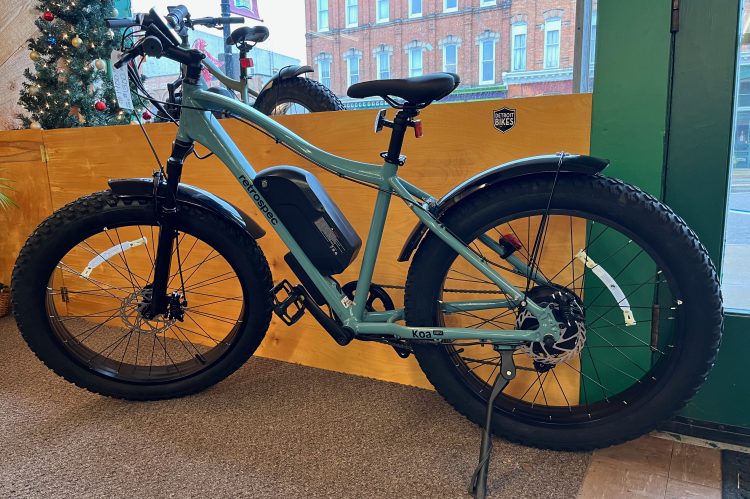
 Thinking about a new bike but stuck between an electric model and a classic pedal bike? You are not alone. More riders in Manchester are weighing the e-bike vs traditional bike question every season. The right pick depends on how far you ride, how hard you want to work, and what you want to spend. Here is a simple breakdown to help you choose with confidence.
What Is the Difference Between an E-Bike and a Traditional Bike?
An e-bike has a small motor and battery that help you as you pedal. A traditional bike runs only on your own leg power. That is the core difference.
Most electric bicycles sold today are pedal assist bikes. The motor adds a boost only while you pedal. You still steer, shift, and brake like a normal bike. You just get help on hills and into headwinds.
Many states, including Michigan, sort e-bikes into three classes:
- Class 1: Pedal assist up to 20 mph
- Class 2: Pedal assist or throttle up to 20 mph
- Class 3: Pedal assist up to 28 mph
The class affects where you can ride, so it is worth knowing before you buy.
What Are the Biggest E-Bike Benefits?
The biggest e-bike benefits are range, comfort, and confidence. The motor makes long rides and steep climbs feel easier, so you are likely to ride more often.
Here is what riders tend to love most:
- Go farther. A 15-mile ride can feel like a short spin.
- Flatten the hills. Climbs on rolling country roads feel far less tiring.
- Arrive fresh. Commuters can get to work without being soaked in sweat.
- Keep up with others. Riders of different fitness levels can enjoy the same ride.
- Get back on the bike. E-bikes help many people return to riding after time away.
And yes, you still get exercise. You choose how much help the motor gives, and you can always turn it down.
Why Does a Traditional Bike Still Make Sense?
A traditional bike is lighter, simpler, and costs less. For many riders, that is the better deal.
A classic bike gives you:
- A lower price. You can get a quality bike for far less than most e-bikes.
- Less to maintain. No battery, motor, or wiring to worry about.
- A lighter frame. Easier to lift onto a car rack or carry up stairs.
- A full workout. Every mile comes from you.
- More styles. Road, gravel, mountain, hybrid, and kids bikes all come in many options.
If you love the pure feel of riding, a traditional bike is hard to beat.
E-Bike vs Traditional Bike: How Do Cost and Upkeep Compare?
E-bikes cost more up front and need a bit more care over time. Traditional bikes are cheaper to buy and simpler to keep running.
At most bike shops, quality traditional bikes often start in the mid hundreds. Shop-quality e-bikes usually start well over a thousand dollars. Prices vary by brand, frame, and parts.
Upkeep differs too. E-bikes are heavier and go faster, so chains, tires, and brake pads can wear out sooner. The battery will also need replacing someday. Both types benefit from a yearly tune-up to stay safe and smooth.
Which Bike Fits Your Riding Style?
The best bike is the one you will actually ride. Match the bike to your routes and goals.
An e-bike may be right for you if:
- You want to use one of your commuter bikes for trips over a few miles
- Your routes include lots of hills
- You want to drive less and run errands by bike
- You are getting back into riding
A traditional bike may be right for you if:
- You want the most exercise from every ride
- You are working with a tighter budget
- You ride trails, race, or train for events
- You prefer a light, simple bike
Still torn? Test ride both. A good bike comparison is always better on the road than on paper. Fit and comfort matter more than any single feature.
Frequently Asked Questions
Do you still get exercise riding an e-bike?
Yes. With pedal assist, you must pedal for the motor to help. You control the assist level, so you can make each ride as easy or as hard as you like. Many e-bike riders also ride more often, which adds up over time.
How far can an e-bike go on one charge?
Most e-bikes travel about 20 to 80 miles per charge. Range depends on battery size, assist level, terrain, wind, and rider weight. Using a lower assist setting helps the battery last longer.
Are e-bikes harder to maintain than regular bikes?
A little. E-bikes need the same basic care as any bike, plus battery care and occasional motor checks. Keep the battery charged, store it indoors in cold weather, and schedule regular tune-ups with a trusted bike shop.
Find Your Perfect Ride in Manchester
Whether you want the boost of an e-bike or the simple joy of a classic bike, the right fit makes all the difference. The team at Sharon Valley Bicycle Shoppe can help you compare options, size your bike, and find a model that suits your budget and riding goals. Browse our e-bikes and new bikes, then stop by the shop or contact us today to talk with a bike expert.
Posted on October 9, 2026 | Published by Ignite Local | Related Local Business